Artificial Intelligence in Human Resources Management
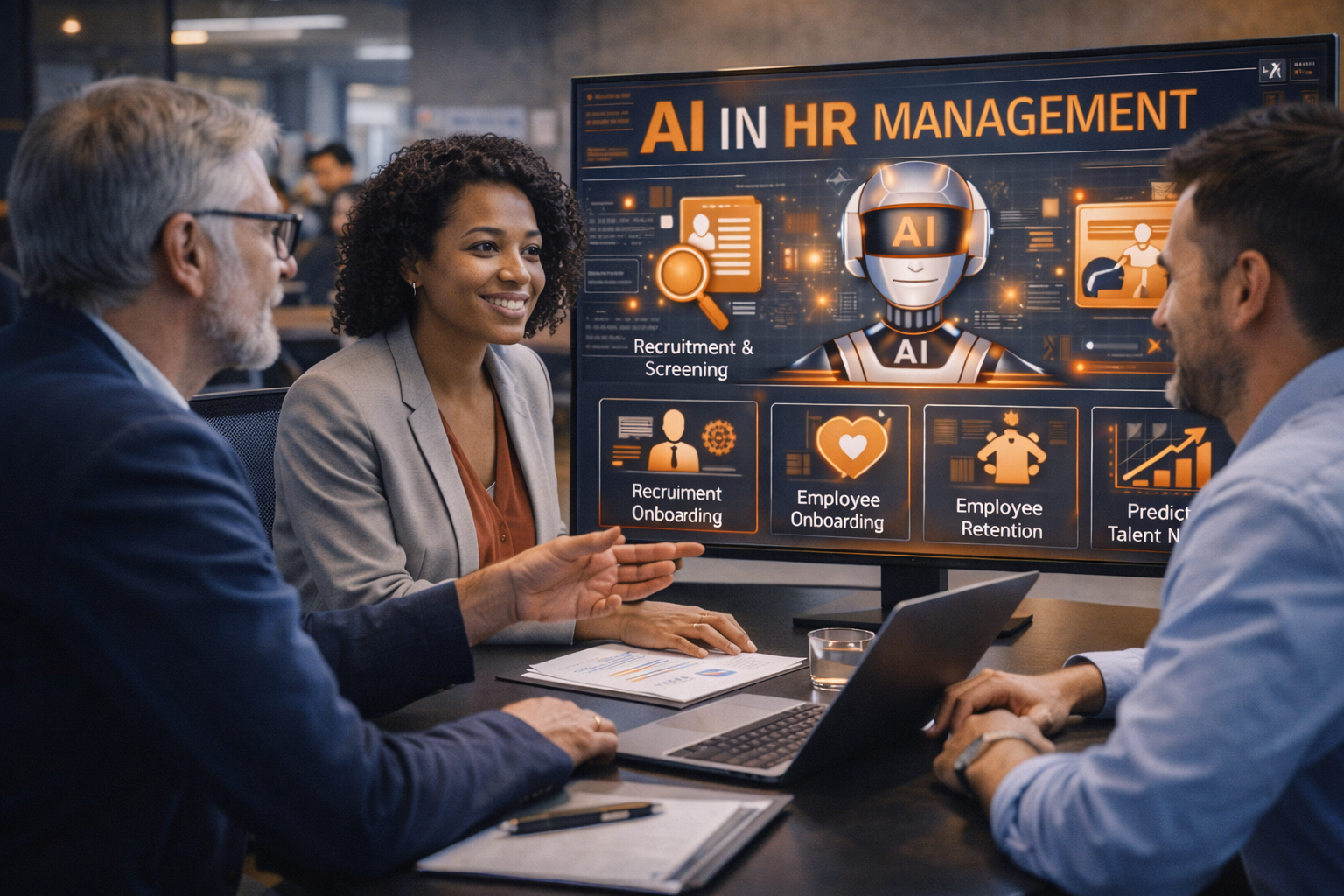
The human resources function has evolved from a predominantly administrative role into a strategic responsibility focused on attracting, developing, and retaining talent. However, many HR departments continue to operate through manual processes, static rules, and descriptive analyses that limit their ability to anticipate needs and create a tangible business impact.
Artificial intelligence gives HR an opportunity to make a significant leap forward: moving from managing people-related processes to systematically making better, data-driven talent decisions.
Why HR Is a Natural Environment for AI
Human resources management offers ideal conditions for capturing value through AI:
- Large volumes of structured and unstructured data, ranging from résumés and evaluations to surveys and communications
- Recurring, high-impact decisions involving hiring, promotions, and role assignments
- A strong human component, where biases can affect decision quality
- A direct impact on performance and costs through turnover, productivity, and engagement
AI can introduce greater objectivity, consistency, and predictive capability into these decisions.
Key AI Use Cases in Human Resources
Talent Acquisition and Selection
AI can analyze candidate profiles, experience, and indicators of future performance to prioritize applicants, shorten hiring cycles, and improve the quality of new hires.
Typical impact:
- Reduced time to hire
- Better performance and retention rates
Performance Management and Development
Analytical models can identify high-performance patterns, skill gaps, and training needs, enabling more personalized development plans.
Typical impact:
- Better alignment between talent and business needs
- More effective training programs
Predicting Turnover and Attrition Risk
AI can detect early signs of disengagement or turnover risk, enabling preventive interventions by leaders and HR teams.
Typical impact:
- Reduced unwanted turnover
- Greater stability across critical teams
Automating Administrative Processes
AI can manage recurring tasks such as information validation, internal requests, and employee support, freeing up time for strategic activities.
Typical impact:
- Lower administrative workloads
- Better employee experience
Compensation and Pay-Equity Decisions
Through advanced analysis, AI can support more consistent compensation decisions, detect inequities, and optimize salary structures.
Typical impact:
- Greater internal equity
- Better control of labor costs
The Key Risk: Automation Without Ethics or Context
One of the greatest risks in HR is using AI without appropriate controls, potentially amplifying existing biases or generating decisions that are difficult to explain.
Leading organizations establish clear principles:
- Transparency in decision criteria
- Human oversight of critical decisions
- Regulatory and ethical compliance by design
Trust is central to every application of AI in human resources.
How to Structure an AI Strategy for Human Resources
Companies that achieve a sustainable impact generally follow four principles:
- Focus on critical decisions, not only administrative processes
- Ensure data quality and governance, particularly for sensitive data
- Use explainable models that leaders and employees can understand
- Manage change by preparing HR professionals and leaders for new ways of working
The Role of Leadership in AI-Enabled HR
For AI to genuinely transform human resources, leaders must:
- Treat talent as a strategic investment rather than a cost
- Accept data-driven decisions, even when they challenge personal intuition
- Protect the human dimension by using AI to support people rather than dehumanize the workplace
Without this leadership, AI is reduced to an operational efficiency tool and loses its transformative potential.
Conclusion
Artificial intelligence enables human resources to evolve from an administrative function into a strategic business partner. By improving the quality of talent decisions, AI supports productivity, engagement, and organizational sustainability.
The true competitive advantage does not lie in managing HR processes more efficiently, but in making better decisions about people.